
Best Time to Visit Iguazu Falls for Lush Views & Fewer Crowds
The best time to visit Iguazu Falls is one of the most common questions travelers ask before booking their trip to this incredible destination. Nestled between Brazil and Argentina, Iguazu Falls is a place of raw beauty, immense power, and endless wonder. Yet, just like any natural attraction, the experience you have depends heavily on when you decide to go. Weather, rainfall, water levels, crowds, and even ticket availability can all shift dramatically depending on the season.
If you want to stand before the thundering Devil’s Throat while mist rises all around you, or if you prefer to walk peacefully along shaded trails without bumping into too many tourists, timing will shape every detail of your adventure. That is why understanding the climate, the local weather cycles, and the seasonal travel patterns becomes essential.
In this comprehensive guide, you will discover how each season transforms the falls. You will also learn what to expect regarding rain, sunshine, crowds, ticket prices, and even the wildlife you may encounter. With this knowledge, you can plan a trip that matches your personal travel style, whether that means chasing power and intensity, or enjoying serenity and comfort.
Iguazu Falls Weather: A Subtropical Rhythm
Unlike many destinations that follow a clear four-season calendar, Iguazu Falls dances to a subtropical rhythm. This means the climate revolves mainly around two big cycles: the rainy season and the dry season. Because the falls sit right on the border, the climate is nearly identical whether you are exploring from the Brazilian or Argentine side.
Rainy Season (December to February): Expect hot temperatures, frequent downpours, and swelling rivers that feed the waterfalls with incredible force.
Dry Season (June to August): Cooler days, less rain, and calmer trails. The water level decreases, but conditions become easier for hiking and photography.
Transitional Months (March to May and September to November): A balance between both extremes, often considered the sweet spot for travelers who want moderate weather and manageable crowds.
This pattern means that no matter when you go, Iguazu Falls will always impress you. However, choosing the right time allows you to align your visit with your preferences, whether you prioritize adventure, photography, or relaxation.

Best Time to Visit Iguazu Falls: The Rainy Season
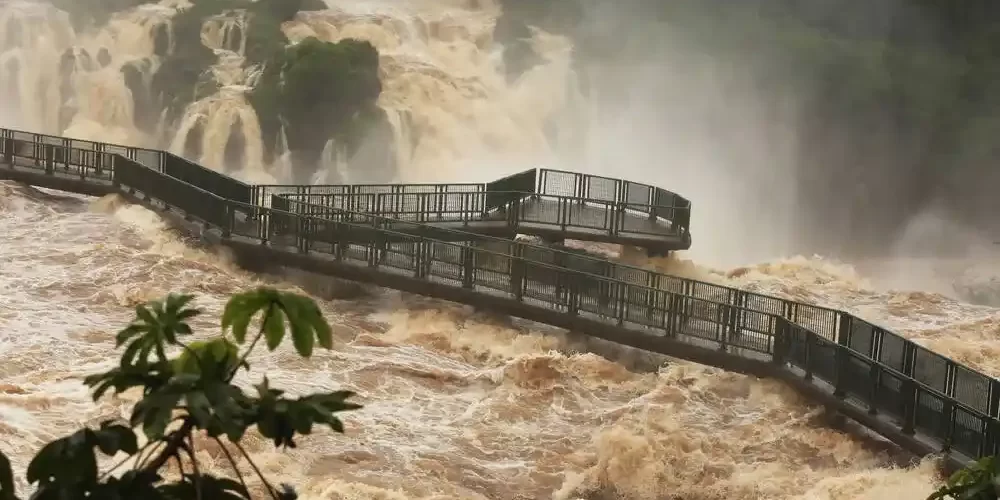
When travelers picture Iguazu Falls at its most dramatic, they are often imagining it during the rainy season. Between December and February, tropical rains feed the mighty Iguazu River, and the cascades reach their maximum volume.
During this time, the falls appear almost otherworldly. Water thunders down from every angle, mist rises high above the cliffs, and the Devil’s Throat roars with unstoppable power. If you are someone who dreams of seeing Iguazu at its wildest, this is without a doubt the best time to visit Iguazu Falls.
However, the rainy season comes with certain challenges. Sudden storms are common, and the humidity can feel overwhelming for some travelers. Trails may close temporarily due to flooding, and boat rides like the Macuco Safari become even wetter than usual. Still, for adventurous souls, these very challenges make the trip more exciting.
Pros of the Rainy Season
Maximum water flow and dramatic scenery
Cooler breezes near the falls despite high humidity
Perfect atmosphere for boat rides and immersive experiences
Cons of the Rainy Season
Heavy rain showers can interrupt plans
Some viewpoints may close for safety reasons
Humid and hot weather requires preparation
If you choose this season, pack wisely. Bring a rain poncho, quick-dry clothing, and waterproof covers for your electronics. With the right gear, the rain transforms from a problem into part of the adventure.
Best Time to Visit Iguazu Falls: The Dry Season
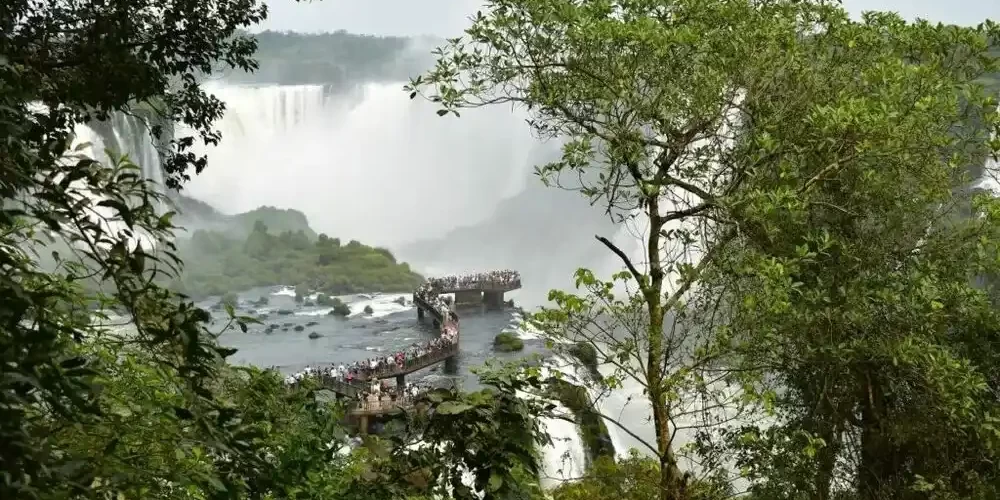
From June to August, Iguazu enters its dry season. This period brings far less rain, cooler temperatures, and calmer overall conditions. While the water levels drop compared to the summer months, the beauty of the falls remains undeniable.
The dry season is considered by many to be the most comfortable time for walking long trails and spending hours outdoors. Clear skies provide excellent conditions for photography, and you will be able to capture the rainbow arches that often form over the cascades. Moreover, with less mist and fewer sudden showers, your days feel easier to plan.
Crowds also shift during this period. While the peak of the rainy season often draws daring travelers, the dry season attracts families, older visitors, and those who prefer comfort over extremes.
Pros of the Dry Season
Cooler and more pleasant temperatures for hiking
Clearer skies, perfect for photography
More predictable daily plans without weather interruptions
Cons of the Dry Season
Lower water levels mean less dramatic waterfalls
Slightly smaller mist clouds at Devil’s Throat
Fewer boat ride thrills compared to high water flow
For many, this is still the best time to visit Iguazu Falls, especially if they prefer comfort and organization over adventure.
Transitional Months: The Perfect Balance
Between the rainy and dry seasons lie the transitional months: March to May, and September to November. These months often provide the best of both worlds. Rainfall is less extreme, but the water levels remain strong enough to create a powerful show.
For travelers who cannot tolerate intense humidity or who dislike cold mornings, these months strike the ideal balance. Trails are open, boat rides remain exciting, and the number of tourists spreads more evenly. If you want to avoid both the heaviest rains and the thickest crowds, this is arguably the most strategic time to go.
Temperature and Humidity Guide
Summer (Dec–Feb): Average highs of 31°C (88°F), intense humidity, and daily rainfall.
Autumn (Mar–May): Average highs of 27°C (80°F), lighter rainfall, cooler evenings.
Winter (Jun–Aug): Average highs of 22°C (72°F), low humidity, comfortable for long walks.
Spring (Sep–Nov): Average highs of 29°C (84°F), moderate rainfall, and a return of vibrant greenery.
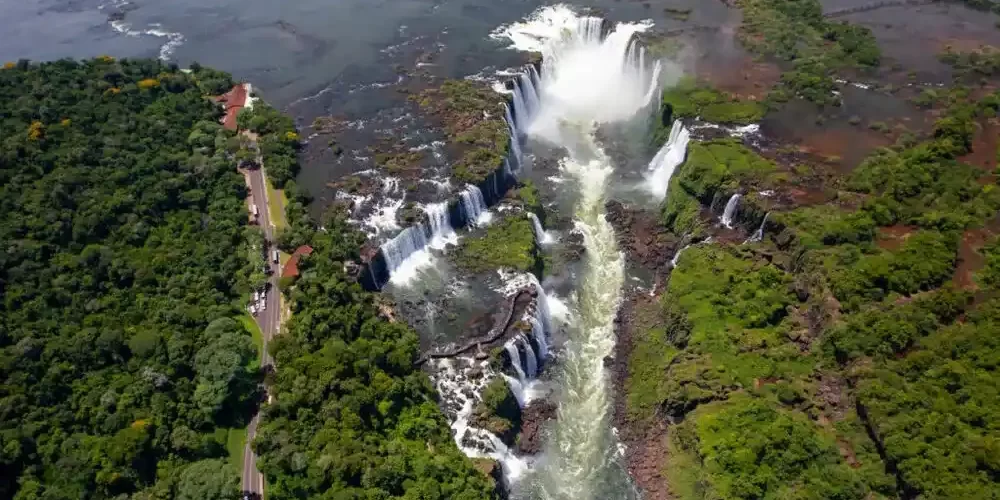
This overview shows that Iguazu remains accessible all year. The real decision lies in whether you value powerful waters, comfortable trails, or a balance between the two.
Tips for Beating the Crowds
Regardless of when you choose to visit, crowds are a constant factor at Iguazu Falls. Both sides attract thousands of visitors daily, and during holidays the parks can feel overwhelming. To enjoy a smoother experience, follow these strategies:
Arrive early: Gates open in the morning, and the first two hours are much quieter.
Visit midweek: Tuesdays and Wednesdays usually draw fewer tourists than weekends.
Book in advance: During peak seasons, tickets and tours sell quickly.
Explore both sides: If one side feels crowded, the other may be more relaxed on the same day.
These small adjustments can help you enjoy the best views without waiting too long for space on viewing platforms.
What to Pack for Every Season
Packing correctly can make or break your Iguazu Falls trip. Since weather conditions change dramatically, adjust your luggage to the season.
Rainy Season: Poncho, quick-dry clothing, waterproof backpack, sandals or water shoes, and plastic bags for electronics.
Dry Season: Light jackets, comfortable hiking shoes, sunblock, and a hat for sunny days.
Transitional Months: A mix of both—carry a poncho just in case, but also prepare for warm sunshine.
No matter the season, always bring insect repellent, reusable water bottles, and extra memory cards for your camera. You will take more photos than you expect.
Final Thoughts: Choosing Your Perfect Moment
So, when exactly is the best time to visit Iguazu Falls? The truth is that the answer depends entirely on what you value most in a trip. If you want to see the waterfalls at their most powerful, aim for the rainy season. If comfort and clarity are your priorities, choose the dry season. And if balance is what you seek, the transitional months provide the perfect solution.
What remains certain is that Iguazu Falls will never disappoint you. With its thunderous cascades, colorful rainbows, and lush rainforest surroundings, this UNESCO World Heritage site offers an unforgettable adventure in every season. By aligning your preferences with the rhythm of the region, you guarantee not just a visit, but a deeply personal encounter with one of nature’s most impressive wonders.